William Fielding — HeartBrand Beef/Cargill Inc./ConAgra Fresh Meat Cos.
Bill Fielding spent more than 25 years running divisions of several meatpacking giants, as president of Cargill’s Meat Sector; president of ConAgra Fresh Meat; and president of Farmland Refrigerated Foods. He has also managed smaller, more specialized operations, serving as chief operating officer of Creekstone Farms Premium Beef, CEO of Meyer Natural Foods, and now CEO of HeartBrand Beef.
Fielding joined Cargill after graduating from Washburn University in Topeka, Kansas. Following its acquisition of Excel Corporation, Cargill tapped Fielding, then just 34 years old, to be its president. In 1992, he was promoted to president of Cargill’s Meat Sector, including all of its meat operations worldwide.
Seeking a change, Fielding left Cargill in 1995 to become president of ConAgra Red Meat Companies. Three years later, he departed ConAgra to assume the presidency of Farmland Industries’ Refrigerated Foods division.
At Farmland, Fielding led major initiatives including a revamping of the co-op’s pork division. He orchestrated the sale of several aging properties, including Farmland’s Dubuque, Iowa, pork processing plant to Smithfield Foods, and refocused the division on expanding Farmland’s branded portfolio. In addition, Fielding was instrumental in cobbling together a unique partnership between his firm and several other major packers to pursue joint development of an e-commerce platform that would enhance efficiencies in sales and sourcing. “We are trying to make a more seamless system, yielding efficiencies to all participants,” he said at the time.
In 2003, Creekstone Farms gave Fielding an opportunity to go back to focusing on optimizing beef quality, but it also plunged him into a controversy over Japanese demands that 100 percent of cattle going to slaughter be tested for bovine spongiform encephalopathy (BSE, or “mad cow” disease). Fielding sought to pursue that testing protocol, but USDA rejected the plan. Certifying some beef for Japan as disease-free, the department said, might confuse American consumers into thinking that untested beef was not safe. As Creekstone’s Japanese customers held firm on their position that they would resume buying if all the company’s beef was tested for BSE, Fielding ordered a laboratory to be built five feet from the chain that carries beef heads. His staff was trained in BSE testing, using a rapid system that delivered results in seven hours, while the carcasses are still in the cooler.
USDA refused to sell Creekstone enough kits to test all its cattle, and the company sued the agency (unsuccessfully) in 2006. Fielding then signed on as CEO of Meyer Natural Foods, which has operations in Lexington, Kentucky and Loveland, Colorado. Meyer offered Fielding considerable flexibility as to where he worked, but eventually his desire to be near his central Texas ranch led him to his current position as CEO of HeartBrand Beef.
SERVICE/AWARDS
Fielding has served on the boards of numerous commercial and charitable organizations. Today he is on the Board of Miniat Corporation and the Board of Advisors of Trinity Capital, where he is described as an “acknowledged expert in the domestic and international food industry, with extensive expertise in the meat and protein sector.”
Fielding was chairman of the American Meat Institute in 1992.
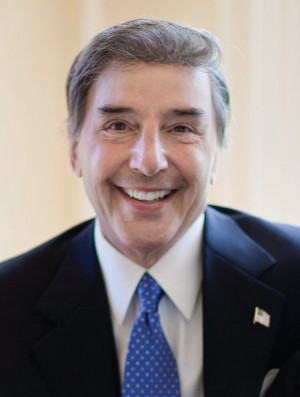
Robert “Bobby” Hatoff — Allen Bros.
(1943-2012)
The Hatoff family has a strong legacy in the meat industry spanning four generations, and during his tenure, Bobby Hatoff proved to be a gentle leader with a powerful vision for both his company and his industry.
Since the early 1980s Bobby had led Allen Brothers, which originated in Chicago’s historic Union Stockyards 112 years ago and has become a leading supplier of USDA Prime beef to the nation’s top steakhouses and restaurants. Hatoff was a pioneer of portion control and guided Allen Brothers toward the Prime and high-Choice foodservice market.
Hatoff, working closely with his son Todd in recent years, was instrumental in helping to position Allen Brothers as one of the nation’s leading meat purveyors. In addition to being a high-end supplier to fine dining establishments, the Hatoffs pursued the consumer-direct market for dry-aged and wet-aged steaks. They implemented and drove innovative marketing tactics, and their uncompromising product standards have made the Allen Brothers brand name synonymous with consistently high quality.
Capitalizing on their excellent relationships with independent restaurateurs and renowned chefs, the Hatoffs invited their steakhouse customers to be a part of a marketing campaign. Those who provided their brand names, logos and testimonials gave credibility to the initiative. The company then launched a direct-mail campaign, telling customers that if they enjoyed the steaks at some of the nation’s top steakhouses they could now enjoy those same steaks at home as well, via mail order. With that, Allen Brothers’ adopted the tagline, “The Great Steakhouse Steaks.”
In addition to his stewardship of Allen Brothers, Bobby was involved with meat industry groups as a longtime member of both the National Meat Association (NMA) and the North American Meat Processors Association (NAMP). While serving as President of NAMP, Bobby was instrumental in facilitating the merger of these two organizations earlier this year, effectively unifying and strengthening the ability to provide greater levels of support to the industry in the areas of regulation, legislation, food safety, science and other key issues. Years earlier, Hatoff played another influential role, as a member of the NAMP committee that updated a foodservice “bible”: the Meat Buyers Guide.
SERVICE/AWARDS
Bobby Hatoff was a hands-on kind of guy, as evidenced by his involvement in culinary associations and numerous Chicago-area charities and community organizations. Hatoff was also an Honorary Fellow of the American Culinary Federation; a member of Les Amis d’Escoffier Society of Chicago, the Chicago Chefs Association and the Illinois Restaurant Association; and a two-time sponsor of the Culinary Olympics.
Hatoff worked tirelessly to help those less fortunate than himself. He supported the Chicago Police Department Memorial Foundation, the Chicago Fire Department Burn Unit, the Jewish United Fund along with dozens of other civic and charitable organizations too numerous to name. Hatoff also served our country as a member of the U.S. Army’s Special Forces from 1962 to 1968. Bobby’s dedicated service to his country and his community even earned him a Papal Blessing from John Paul II.
James Hodges — American Meat Institute/AMI Foundation
Born and raised in Missouri, Hodges first became involved in the livestock industry by working on his family’s farm. He received a B.S. in food science from the University of Missouri and an M.S. in meat science from Ohio State University. Early in his career, he worked for various meatpacking and agribusiness companies in Missouri before joining the Boston-based supermarket chain Stop & Shop as director of technical services. In that position, he conducted research and development programs and oversaw quality assurance activities for the chain’s meat plant operations. From there, Hodges moved to the U.S. Department of Agriculture’s Food Safety and Inspection Service, where he led the Quality Control and Inspection Procedures Evaluation Branch.
Hodges joined AMI in 1983 and has since served in a variety of roles, including senior vice president of regulatory affairs. In that position, he was responsible for the management of all regulatory programs and representing the interests of the meat and poultry industry to Congress, federal agencies and other organizations. Hodges was appointed president of the AMI Foundation in 2009, a post he still holds today in addition to being executive vice president of the overall Institute. As president of the private, non-profit foundation, he oversees a broad range of initiatives to continually improve operational efficiency, product quality and food safety, including scientific and public opinion research, industry and consumer education, and public information.
Some of Hodges’ most notable accomplishments include spearheading AMI’s nationwide effort to implement Hazard Analysis Critical Control Points (HACCP) in federally inspected meat plants, leading the development and implementation AMI’s award-winning Listeria Intervention and Control Programs and initiating a multi-million dollar research program to identify commercially viable ways to eliminate or reduce harmful pathogens in meat and poultry products. These efforts have dramatically improved product safety and significantly reduced the incidence of foodborne illnesses associated with meat and poultry products.
Hodges’ expertise on animal health and animal disease issues is widely recognized. He was instrumental in coordinating the industry’s response to the first case of bovine spongiform encephalopathy (BSE) in 2003. Since that time, he has testified in public meetings and met with foreign governments in an effort to restore U.S. beef exports. He is also an expert in processed meat production and safety, and has led the Shelf Stable Food Processors since 2000.
SERVICE/AWARDS
Hodges is a professional member of the American Meat Science Association (AMSA), Institute of Food Technologists, American Society for Quality, United States Animal Health Association and the International Association for Food Protection. He has served on several advisory boards, including the AMSA Board of Directors and the USDA National Advisory Committee on Meat and Poultry Inspection.
His honors include the AMI Industry Advancement Award, AMSA’s Signal Service Award, the University of Missouri Agriculture Alumni’s Citation of Merit and the Distinguished Alumni of The Ohio State University College of Agriculture.
Alfred Kober — Certified Angus Beef
(1937-2010)
Al Kober, former director of retail for Certified Angus Beef, began his 58-year career as a 14-year-old, bagging groceries, and became a respected national authority on meat merchandising, promotions and food safety.
A neighbor got Kober his first job in 1952 at a Kulpsville, Pennsylvania-based unit of Clemens Supermarkets, for which he would work for the next 50 years. Working his way up through the ranks by sweeping and stocking shelves, Kober eventually became a meat cutter at 18. He was then promoted to assistant meat manager in 1964, meat and deli manager in 1969, and meat supervisor in 1973.
As Clemens Supermarkets’ meat director, Kober launched a close-trim program for all meat cuts, years before the practice became an industry norm.
After working for 50 years with Clemens, Kober wasn’t ready to retire yet and accepted a position as retail director for the Certified Angus Beef brand, for which he had previously consulted, in Wooster, Ohio. In his eight years with the company, he channeled his retail experience into providing customer-driven merchandising, training and marketing programs. Kober’s focus on “the customer first” helped retail stores nationwide grow from a combined 24 million pounds in sales per month in 2002 to more than 30 million pounds per month in 2009.
Over the years, Kober developed a well-deserved reputation as a retail wizard whose expertise was often called upon for speaking engagements in the meat industry. He was also a frequent contact for media in the retail and beef cattle industries.
In addition, Kober served on the American Meat Institute/Food Marketing Institute’s Annual Meat Conference Planning Committee, and was the first to propose including poultry groups at meetings to ensure a more meaningful discussion on all protein issues. He also served on the National Pork Board’s Retail Advisory Committee and Safety Committee and led National Grocers Association workshops on food safety. Kober treasured his role as an educator and as a servant to fellow retailers.
A devout Christian, a day never passed that Kober didn’t praise the Lord for being alive, often sprinting to his destination for no other reason than “because I could.”
After a brief illness, Kober passed away in April 2010 at the age of 72.
Through everything, Kober remained thankful for his wife of 54 years, Judith, their nine children and 19 grandchildren.
SERVICE/AWARDS
- AMI/FMI Annual Meat Conference, Planning Committee
- National Pork Board’s Retail Advisory Committee and Safety Committee
- National Grocers Association workshops on food safety
- Adult Bible Fellowship teacher at The Chapel, Green, Ohio
Mohammad Koohmaraie, Ph.D. — U.S. Meat Animal Research Center/IEH Laboratories and Consulting Group
Mohammad Koohmaraie immigrated to the U.S. from Iran in 1978, shortly after receiving a bachelor’s degree in Animal Science from Pahlavi University. He then earned a Master of Science in Meat Science from Texas A&M at Kingsville (formerly known as Texas A&I University) in 1980 and doctorate in Animal Science (focused on Meat Science and Muscle Biology) from Oregon State University in 1984.
Following a three-year postdoctoral fellowship at the Roman L. Hruska U.S. Meat Animal Research Center (USMARC; affiliated with USDA’s Agricultural Research Service and Michigan State University), in Clay Center, Nebraska, Koohmaraie joined the USMARC staff as a research physiologist. In 1991 he became research leader of the Meats Research Unit at USMARC and then in 2005 the Director of USMARC.
During his career, Koohmaraie has focused his research in three major areas: combating pathogenic contamination of beef; the biological mechanisms regulating beef tenderness; and meat quality measurement, including the development of non-invasive instrumentation for carcass yield and quality classification.
His research has provided the industry with answers to longstanding challenges. For example, in the early 1990s, results from Koohmaraie’s lab helped to establish that the calpain system is responsible for postmortem proteolysis and meat tenderness.
Koohmaraie worked closely with key stakeholders in the meat industry to assess the prevalence of key foodborne pathogens and devise strategies to combat them. His research team not only developed the first rapid tests for detecting pathogens on beef, pork and poultry carcasses, but also provided techniques to greatly reduce or eliminate E. coli O157:H7 in red meat. In the late 1990s, he and his team demonstrated the efficacy of using steam vacuuming as an alternative to knife trimming for beef carcass decontamination. He provided the data that FSIS needed to approve its use. Steam vacuuming is now a common practice in beef processing plants, as a cost-effective tool for improving meat safety. Later they demonstrated that the hide is the principal source of E. coli and other pathogens, which led to development of hide interventions.
After 24 years as a USDA scientist, Koohmaraie left the public sector to pursue his passion for ensuring beef safety and quality in the private sector. In April 2008, he joined IEH Laboratories and Consulting Group as chief executive officer of the Meat Division. At IEH, he continues his longstanding efforts of working closely with the industry to help companies produce the safest meat possible.
SERVICE/AWARDS
The value of Koohmaraie’s research is reflected in the impressive array of honors he has received, including:
- Agricultural Research Service’s Scientist of the Year Award – 1992 and 2001
- Distinguished Research Award from the American Meat Science Association – 1993
- Meat Research Award from the American Society of Animal Science – 1994
- USDA Secretary’s Award – 1995 and 2001
- Outstanding Senior Scientist of the Year Award – Agricultural Research Service – 1997
- Outstanding Performance Award – Agricultural Research Service – multiple years from 1987-2008.
- Technology Transfer Award – Agricultural Research Service – 2004 and 2008
- Professional of the Year Award – National Meat Association – 2005 (“In recognition of your dedication and valuable service to the meat and poultry industry”)
- Signal Service Award – American Meat Science Association – 2005 (“In recognition of your devoted service”)
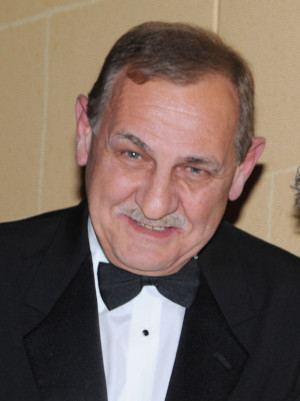
Steve Krut — American Association of Meat Processors
Steve Krut, a former newspaper reporter, used his communication skills to help small processors and unite trade organizations with one voice as long-time Executive Director of the American Association of Meat Processors.
Although Krut had worked at a local A&P in high school — even helping out in the meat room — his first job was as a newspaper reporter after graduating with a journalism degree from Penn State University in 1964. He then worked for newspapers in Pennsylvania as a reporter and feature writer for five years.
From there, he changed gears and was hired as the public relations director of the Pennsylvania Manufactured Housing Association and Pennsylvania RV & Camping Association. In 1974, he moved over to the American Association of Meat Processors (AAMP) as its public relations director, eventually being promoted to Executive Director in 1981. He would serve in this position until retiring in 2007.
The ’70s and ’80s were, in particular, a rough time of transition for small locker plant owners as they shifted to further-processing operations and handled new regulations. Krut is credited by many as helping small processors save and grow their businesses. He used his communication skills and industry knowledge to help AAMP members raise their game, improve the quality of their products and secure resources to survive in an increasingly consolidated and competitive business sector.
Through his tireless efforts, the AAMP became North America’s largest meat trade organization. Membership includes more than 1,500 medium-sized and smaller meat, poultry and food businesses. In addition, Krut was a registered lobbyist for AAMP and served on USDA’s National Advisory Committee for Meat & Poultry Inspection under three Secretaries of Agriculture.
He appeared on dozens of television programs, from the History Channel to ABC’s “20/20,” and was a regular presenter at the National Association of State Meat & Food Inspection Directors.
Fourteen years ago, a Stephen F. Krut Scholarship was established by AAMP and has contributed tens of thousands of dollars to support the higher education of students in meat science, processing, and business management.
Krut is married to Cindy, with three children and 11 grandchildren. In his retirement, he has returned to his reporting roots and writes a monthly column for Meat & Poultry magazine.
SERVICE/AWARDS
- 2007 American Association of Meat Processors Achievement Award
- Inducted into the Northwest Meat Processors Association Hall of Fame in 2006
- Master Butcher Award from the Belgium Butchers Association
- A founder and first Chairman of the International HACCP Alliance
- Helped establish the Cured Meats Hall of Fame for meat processors
- Helped establish the Meat Association Council, which includes representatives from all major North American meat trade organizations to coordinate U.S. meat and poultry industry policy positions to government agencies such as the USDA, FDA, and the Centers for Disease Control
- A volunteer for ACDI/VOCA, which is the merged group of the Agricultural Cooperative Development International and the Volunteers in Overseas Cooperative Assistance
- Past President of the Pennsylvania Society of Association Executives
- Past President of the Mechanicsburg Lions Club
- Deputy Regional Manager for the Loyal Order of Moose in Pennsylvania, and Governor for the Elizabethtown Moose Family Center 596.”
Herbert Lotman — Keystone Foods
(1933-2014)
Herbert Lotman, the inventor of Chicken McNuggets, grew up as a butcher’s son in Philadelphia. He eventually built the family beef-boning plant into a multinational organization managing the food manufacturing and restaurant distribution for McDonald’s and supplies for other fast-food chains.
Lotman’s Keystone Foods orchestrated several key breakthroughs in the restaurant industry during the 1960s, ’70s and ’80s. The company was one of the first to install a cryogenic freezing system for mass production of pre-formed hamburger patties. It was also one of the first to create a total distribution concept, in which restaurant customers received their entire inventory off a single truck. In addition, the company developed McDonald’s famous Chicken McNuggets.
The former South Philly plant became a $4-billion-plus principal supplier to McDonald’s Corp. and consequently opened 58 processing and distribution centers across the United States, Australia, China, France, Israel and Malaysia, among other countries. Keystone also utilized quality-control and food-safety initiatives to improve its 1.7 billion pounds of poultry and meat product every year.
In 2010, Lotman sold Keystone to Brazil’s Marfrig Alimentos for a reported $1.26 billion. Lotman’s creativity in business has also been matched by his generosity. He is a co-founder of the McDonald’s LPGA Championship, which benefits Ronald McDonald House Charities. He serves on the Ronald McDonald House Charities International Board, among many other philanthropic organizations or science-based companies such as Children’s Cancer Research Foundation, Strategic Diagnostics Inc., and the Philadelphia College of Osteopathic Medicine.
Closer to home, he and his wife Karen founded the Macula Vision Research Foundation (MVRF) in 1997 to improve treatments and cures for all retinal diseases, after Karen’s mother’s macula degeneration diagnosis. Some of the greatest vision breakthroughs of the last decade have been funded by their MVRF grants, which total $17.2 million so far.
Lotman and his wife have a daughter and son.
SERVICE/AWARDS
- Co-founder of McDonald’s LPGA Championship
- Co-founder and board member of the Macula Vision Research Foundation
- Board member of the Ronald McDonald House Charities International Board
- Board member of Strategic Diagnostic Inc.
- Board member of Children’s Cancer Research Foundation
- Director of Getty Petroleum, Packaging Coordinators Inc., and First Union National Bank
Ellard Pfaelzer Sr. — Pfaelzer Brothers
(1896-1973)
Ellard Pfaelzer, Sr. was born in Chicago in 1896, and three generations of Pfaelzers before him had worked in the meat industry. He too was drawn to the industry, and at age 14 he left high school and started his own business, selling beef livers from a horse-drawn cart.
By 1929, Ellard and his brothers, Monroe and Leonard, had started Pfaelzer Brothers, which would eventually become one of the nation’s largest meat purveyors. Ellard then married Oliva Block in 1931, and their children, Ellard Jr. (“Butch”) and Elizabeth, were born in 1933 and 1935, respectively.
As Pfaelzer Brothers grew, it pioneered innovations such as portion-controlled steaks and chops, “assembly line” steak cutting, and the use of dry ice for interstate shipping. The company had customers in all 48 contiguous states and specialized in selling top-quality meat to hotels, restaurants, and airlines. It was also among the first to sell high-quality meat by mail order.
In 1959, Armour & Company acquired Pfaelzer Brothers, retaining both Ellard Sr. and his son, Butch. Ellard Sr. continued with the company until his retirement in 1963.
After retiring from Pfaelzer Brothers, Pfaelzer Sr. was appointed as a special consultant to the U.S. Department of Agriculture’s Foreign Agricultural Service. He traveled extensively in Europe from 1965-67, promoting U.S. meat products and helping to increase the volume of American meat sold in the European market. He died in 1973, while wintering in Southern California.
SERVICE/AWARDS
Pfaelzer Sr. supported the meat industry in a number of ways. He was a judge at the International Livestock Exhibition for 23 years, and was a successful bidder for the grand champion steer on numerous occasions. During World War II, he served on the War Meat Board, working with the U.S. Office of Price Administration. He was one of the founders of the National Association of Hotel and Restaurant Meat Purveyors, the forerunner of NAMP (the North American Meat Processors Association). He was President of the group in 1943-44 and earned its highest honor — The Angus Award — shortly after it was established.
Besides the meat business, Ellard Sr. and his son Butch shared a passion for community service. Ellard Sr. held positions on the Board of Trustees of Michael Reese Hospital, The Jewish Federation of Metropolitan Chicago, The Jewish Children’s Bureau, Chicago Sinai Congregation and the Community Fund of Chicago.
Ellard “Butch” Pfaelzer Jr. — The Bruss Co.
Ellard “Butch” Pfaelzer Jr.’s professional experience and contributions to the industry include multiple leadership tenures on the business and association sides of the industry.
From 1957-65, Pfaelzer began full-time employment at family-owned meat purveyor Pfaelzer Bros. upon receiving honorable discharge from the U.S. Army. Pfaelzer Bros. was a leading national supplier of high quality products for the foodservice industry. During his employment, he had a variety of responsibilities in a number of operational areas, including territorial sales management, buying, costing, management of the mail order division, and assistant general manager. Armour & Co. purchased the firm in 1959, and from that point until leaving in 1965, Pfaelzer was given a wide range of responsibilities and training for eventual management with the parent organization.
From 1965-66, he owned and managed Columbia Corned Beef Co., a small local manufacturer of corned beef products. He sold the company after returning it to profitability. Pfaelzer was active in the ownership and growth of The Bruss Co. from 1966 until Dec 31, 2000. He served as co-president of the Chicago-based producer of portion control, high-quality meat products for foodservice from 1966-89. While serving in that role, he was instrumental in growing the company to a $35 million national purveyor of value-added meat products. The company was sold in 1989, at which time he became vice chairman, concentrating on general management and development of the export marketing program. Pfaelzer served as chairman and CEO from June 1994 to May 1997, when the company was sold to IBP. He served as chairman emeritus from May 1997 through December 2000. In this position, he mentored and advised management on operations and oversaw purchasing, costing and export activities. From 2000-01, he served as a consultant to The Bruss Co.
On the association side, Pfaelzer served as an intern at The American Meat Institute for the summer of 1953. From 1996-97, he was chairman of the U.S. Meat Export Federation. He served on USMEF’s Board of Directors and Executive Committee prior to serving as chairman. As an officer of USMEF, he served on the Beef Oversight Committee of the National Cattleman’s Beef Association, shepherding the consolidation of the major beef industry producer groups. From 1976-77, he was president of the National Association of Meat Purveyors, and before becoming president, he served on NAMP’s Board of Directors and chaired a number of committees, including the Executive Committee, the Program Committee and the Standards Committee. In 1990, he was asked to again chair the Standards Committee, which wrote and published the definitive product guide for the industry. This guide combined the specifications for standardized meat cuts with those for portion control cuts and has since been expanded and is now recognized worldwide. Pfaelzer received numerous awards while serving on the NAMP Board and various committees, including The Angus Award, the association’s highest honor.
From 1967-68, he held the role of president of the Chicago Association of Meat Purveyors, and from 2000-02 he served as an export consultant to the Certified Angus Beef program His community and board affiliations include leadership roles with numerous charitable and philanthropic organizations including: The St. Croix Foundation, a community funding organization in the U.S. Virgin Islands; The Women’s Coalition of St. Croix; The Merit School of Music; Executive Service Corps of Chicago; Michael Reese Health Trust, Michael Reese Hospital and Medical Center, and Michael Reese Health Plan; Lifesource, a Chicago blood service provider; Highland Park Hospital and Lakeland Health Services; Jewish Vocational Service, an affiliate of the Jewish Federation of Metropolitan Chicago; Young Peoples Division of the Jewish Federation of Metropolitan Chicago; the Chicago Board of the ADL; the North Shore Association for the Retarded; Trustee Nominating Committee, Amherst College; the Jewish Community Centers of the Jewish Federation; and Hull House Association.
In addition to his involvement in business and associations, Pfaelzer graduated cum laude from Amherst College in 1955 with a bachelor’s degree in history, and he also attended the MBA night program from 1963-64 at the University of Chicago School of Business.
He served active duty in the U.S. Army’s Quartermaster Corps from 1955-57, where he wrote meat specifications for armed forces procurement. From 1958-64, he did U.S. Army Reserve duty in the Quartermaster Corps.
David Theno, Ph.D. — Jack in the Box Inc.
(1950-2017)
David M. Theno, Ph.D., is currently CEO of Gray Dog Partners Inc., a Del Mar, California-based technical consulting business specializing in food safety, food manufacturing, restaurant operations, supply chain management, and strategic planning.
Before joining Gray Dog Partners in early 2009, Theno was senior vice president and chief food safety officer for Jack in the Box, Inc. He had joined Jack in the Box as vice president of quality assurance and product safety in March 1993 at the request of top management after the chain’s burgers were blamed for a massive foodborne illness outbreak in the Pacific Northwest. E. coli O157:H7 (in ground beef supplied by Vons) was found to have caused the illnesses, and Theno responded by developing a comprehensive Hazard Analysis Critical of Control Points (HACCP) plan for the chain, as well as a finished product testing protocol that initially irked his former meat industry colleagues.
Prior to Jack in the Box, Theno had been managing director and CEO of his own consulting firm, Theno & Associates, Inc., and before that he had managed food safety and quality programs at Foster Farms, Kellogg’s, Armour Food Company, and Peter Eckrich & Sons, Inc. He holds a bachelor’s degree in zoology and science journalism from Iowa State University, and earned both M.S. and Ph.D. degrees in food microbiology and animal sciences from the University of Illinois at Urbana-Champaign.
Theno’s lasting contribution to the meat industry was his leadership in responding to the E. coli O157:H7 outbreak. He was instrumental in demonstrating how the scientific community and the meat industry can work together to solve food safety challenges. Theno was a peer reviewer for the U.S. Department of Agriculture/Food Safety and Inspection Service’s HACCP study and has authored numerous scientific and trade publications on food safety and HACCP applications.
SERVICE/AWARDS
Theno is or has been actively involved in numerous food industry and scientific organizations, including the American Association of Food Hygiene Veterinarians, American Meat Science Association, International Association of Food Protection, International Meat & Poultry HACCP Alliance, Institute of Food Technologists, National Advisory Committee on Meat & Poultry Inspection, National Advisory Committee for Microbiological Criteria for Foods (1989 – 1994), National Cattlemen’s Beef Association’s Beef Industry Food Safety Council (BIFSCo), National Meat Association (and its predecessor, the Western States Meat Association), and the Blue Ribbon Task Force for Solving the E. coli O157:H7 Problem, sponsored by the National Livestock & Meat Board.
In 2004, Jack in the Box was awarded the prestigious Black Pearl Award by the International Association of Food Protection. Personally, Theno received the Innovator of the Year Award (2000) from Nation’s Restaurant News, andthe California Environmental Health Association’s Mark Nottingham Award (1997), for “recognizable and significant contributions in the field of environmental health.” Also in 1997, Nation’s Restaurant News named Theno one of its “Top 50 Players” for his leadership in defining a new standard for foodservice safety procedures.
Frederick D. Usinger III — Usinger Sausage Co.
(1917-2006)
Frederick Usinger III was born May 20, 1917, in Milwaukee. The grandson of Frederick D. Usinger, who had founded the company in 1880, Usinger began working in the family business at age 16. Intent on learning every facet of the sausage business, he purposely started at the bottom — washing floors, moving meat, cleaning casings, and hanging sausages in the smokehouse. As time passed, he mastered trimming, stuffing and cooking duties before tackling the mission-critical task of sausage mixing.
In 1940, Usinger married Lois Dahlstrom, and over the years the couple had five children: daughters Karen, Barbara, Heidi and Debra, and son Fritz (Frederick D. Usinger IV). In 1941, Usinger became plant superintendent, but when America became involved in World War II, he joined the U.S. Army for a stateside stint. After the war, Usinger returned to the company, and in 1946 he was named vice president. By 1953, having added bookkeeping and office management experience while still honing his sausage-making skills, Usinger was promoted to president and given the title “Meister Wurstmacher” (Master Sausage-Maker).
The following year, Usinger originated the practice of selling sausage assortments in attractive gift boxes for the holidays, long before other food marketers entered the field. The company’s Christmas gift business has multiplied many times over and has become an integral part of its total volume.
It was important to Usinger to keep the company headquarters at its original site on Third Street in downtown Milwaukee. The facility features a 19th-century sausage shop where murals of the company’s trademark sausage-making elves overlook marble deli counters featuring a selection of Usinger products. The murals pre-date the elf’s role as a company symbol, however; Usinger hit upon that idea in 1956. The shop is considered a local attraction and a key element in the city’s history, as evidenced by its commemoration in a walk-through display at the Milwaukee Public Museum.
Usinger ceded the roles of president and CEO to his son, Fritz, in 1988, entering semi-retirement but remaining chairman of the board until 2004. He passed away on December 6, 2006.
SERVICE/AWARDS
Usinger was involved in numerous community organizations, including the Boy Scouts of America, Friends of Art (Milwaukee Art Center), Friends of the Milwaukee Public Museum, Milwaukee County Zoological Society, Wisconsin Business Council, and the Young Presidents’ Organization. He served on the boards of several charities, including the Easter Seal Society, Kiwanis Club, Curative Care Network, and Milwaukee Rehabilitation Center, Inc.
Several of those organizations honored his service; his awards included: The Silver Beaver Award (Boy Scouts of America, 1968); Milwaukee University School Alumni Association Merit Award (1973); Milwaukee County Historical Society Preservation Award (1978); Milwaukee County Historical Society Preservation Award (1981); Children’s Outing Association “Father of the Year” Award (1982); and the Mount Mary College “Pro Urbe” Award (1983).
The American Meat Institute gave Usinger its Community Relations Award in 1980, and in 1993, he was elected to the Wisconsin Meat Industry Hall of Fame.
Marvin J. Walter — W&G Marketing Co. Inc.
(1940-2011)
Raised on a 200-acre livestock farm near Watkins, Iowa, Marvin J. Walter never lost his interest in animals, and he used it to guide the many meat-related businesses he founded.
After graduating from high school in Blairstown, Walter attended Iowa State University and graduated with two degrees in Animal Science in 1962 and 1964.
His first job out of school was working for the American Meat Institute in public relations and then as an assistant to the President. Next, he purchased a membership and became a commodity broker on the floor of the Chicago Mercantile Exchange. In 1968, he moved back to Ames to start a meat-related business with two partners. They purchased land on the edge of the city and built Dayton Road Development Corp. and several affiliated businesses through the years, such as Carriage House Meat & Provision Company Inc., Ames Processed Foods Co. Inc. and Webster City Custom Meats Inc.
Walter also was involved with several state and national organizations related to the livestock and meat industry. In particular, he served as the director, President and Chairman of the board for the National Association of Meat Purveyors; director of the U.S. Meat Export Federation; director and Chairman of the Iowa Agricultural Products Advisory Board; and director of the Iowa Friends of Agriculture Board.
Walter was a very active member of the community, serving on boards and in organizations. For a number of years, he was on the First National Bank board and Chairman of the Board of Ames National Corporation. In addition, he was a Rotary member and President, and served a number of years on the board of the Mary Greeley Medical Center.
He had a special interest in mentoring young people and supported 4-H programs, as well. Walter was a member of the Alpha Gamma Rho agriculture fraternity and cherished the lifelong friendships he made as a fraternity member, as well as the help he could provide to active fraternity members. In 2008, he was inducted into the National Alpha Gamma Rho Hall of Fame.
Walter was involved in many Iowa State activities. He was on the Board of Governors and received the Order of the Knoll award for Distinguished Service. He also received the Floyd Andre award for Distinguished Service to Agriculture, and served as President of the ISU Alumni Association.
He is survived by his wife, Janice, two daughters, three grandsons and two step-grandchildren.
SERVICE/AWARDS
- 1989 National Association of Meat Purveyors’ Hall of Fame Award
- 1990 Small Business Person of the Year — Ames Chamber of Commerce
- 1993 American Meat Institute’s Edward D. Jones Award for Community and Industry Service
- 2003 National Cattlemen’s Beef Association Vision Award
- 2004 Iowa Cattlemen’s Association — Hall of Fame member
David Wood — Harris Ranch
Born to be a cattleman, Dave Wood began raising his own cattle at age 14 after his grandfather helped him obtain a loan to purchase 20 cows. He received a B.S. in animal science from Cal Poly-San Luis Obispo in 1970 and immediately thereafter obtained a position as a pen rider at Harris Feeding Company. He moved up to feed yard manager in 1978, then became the company’s chief operating officer and, since 1989, has served as chairman of beef operations. In addition, Wood also owns extensive cow-calf and stocker operations in six western states, and is a partner in a 70,000-head feedlot in North Platte, Nebraska.
Wood helped Harris Ranch build a uniquely integrated beef production system that provides control of all aspects of beef production. From the western ranches where cattle are raised through feeding and processing, Harris Ranch focuses on quality from start to finish. Founded in 1963 near Coalinga, California, Harris Feeding Company is one of the largest cattle finishing facilities in the Western U.S. Today the feeding operation covers nearly 800 acres and has a one-time capacity of 120,000 head. The facility’s central California location, which enjoys limited rainfall and relatively mild winters, provides an environment in which cattle perform exceedingly well. Livestock welfare practices include shaded pens and sprinklers to reduce dust and cool cattle in summer months. Pens are routinely scraped and waste material composted for later use in our farming operation.
Once cattle reach optimum weight and quality, they are harvested at Harris Ranch Beef Company. Owning a beef processing facility allows a complete “closed loop” quality control process. Harris Ranch established one of the first branded beef programs in the U.S. in 1982 and offers an expansive product line including fresh boxed beef, value-added ground beef, fresh seasoned beef and fully cooked beef entrees.
SERVICE/AWARDS
Wood has served as chairman of the following organizations: Western States Meat Association (1992); California Beef Council (1992 and 2002); the Cattlemen’s Beef Promotion and Research Board (1995); and the California Cattle Feeders Association (1997-1998 and 2006-2010). In addition, he served as president of Cattle-Fax in 2009.
Through direct involvement in cattle, meat and culinary organizations at the state, national, and international levels, Wood has made significant contributions to the beef industry. He was a financial contributor to the new Meat Processing Center at Cal Poly.
Awards he has received include:
- California Livestock Man of the Year (2001)
- National Cattlemen’s Beef Association’s Environmental Stewardship Award (2001)
- National Cattlemen’s Beef Association’s Vision Award (2003)
- National Meat Association’s E. Floyd Forbes Award (2006)
- Richard L. Knowlton Innovation Award (2008) — Meatingplace
- Cattle Feeders Hall of Fame inductee (2011)

